Kukuxumusu.com
English
Español
Euskera
Ya falta menos...
El encierro
Encierros (2007-2023)
2023
7 de julio. La Palmosilla
8 de julio. José Escolar
9 de julio. Cebada Gago
10 de julio. Fuente Ymbro
11 de julio. Núñez del Cuvillo
12 de julio. Jandilla
13 de julio. Victoriano del Río
14 de julio. Miura
2022
7 de julio. Núñez del Cuvillo
8 de julio. Fuente Ymbro. Toro suelto.
9 de julio. José Escolar
10 de julio. La Palmosilla
11 de julio. Toros de Cebada Gago. 3 cornadas
12 de julio. Jandilla
13 de julio. Victoriano del Río
14 de julio. Miura
2019
7 de julio de 2019. Encierro de Puerto de San Lorenzo.
2019. 8 de julio, Cebadas
9 de julio de 2019. José Escolar
2019. 10 de julio, Jandilla
2019. 11 de julio, Victoriano del Río.
2019. 12 Julio. Núñez de Cuvillo
2019. 13 de Julio. La Palmosilla
2019. 14 de julio. Miura.
2018
Una cornada en el primer encierro
José Escolar
Temibles Cebadas
Rapidísimos Fuente Ymbro
11 Julio. Núñez de Cuvillo
Atropellos a mansalva
Cornada en el ayuntamiento
Terror en telefónica
2017
Resumen 2017
7 de julio. Cebada Gago
8 de julio. José Escolar
9 de julio. Puerto de San Lorenzo,
10 de julio. Fuente Ymbro
11 de julio. Jandilla
12 de julio. Victoriano del Río
13 de julio. Núñez del Cuvillo
14 de julio. Miura
2016
Resumen 2016
7 julio. Fuente Ymbro
8 julio. Cebada Gago
9 julio. José Escolar
10 julio. Pedraza de Yeltes
11 julio. Jandilla
12 julio. Victoriano del Río
13 julio. Núñez del Cuvillo
14 julio. Miura
2015
7 julio. Peligroso comienzo de Jandilla
8 julio. Toros nuevos, juntos y sin mirar atrás
9 julio. Los Victorianos solo dejan enganchones
10 julio. Buenas carreras ante los Fuente Ymbro
11 julio. Cinco toros de José Escolar y cuatro cornadas
12 julio. Los toros del Conde se comportan
13 julio. Garcigrande lleva el peligro a Estafeta
14 julio. El encierro más rápido de la historia
2014
7 julio. La primera cornada, de Torrestrella
8 julio. Los toros de Dolores hacen daño
9 julio. Los Victoriano dejan 2 heridos por asta
10 julio. Arrollador comienzo de Garcigrande
11 julio. Los Jandilla solo asustan
12 julio. Los Fuente Ymbro se desentienden
13 julio. Peligroso final de Adolfo Martín
14 julio. Pánico con Miura en la curva de Mercaderes
2013
7 julio. Los Alcurrucén no embisten
8 julio. Como apisonadoras por Estafeta
9 julio. Solo sustos en el estreno de Valdefresno
10 julio. Los Victorianos, a limpio cuernazo
11 julio. Toro suelto, pánico junto al vallado
12 julio. Trágico encierro de El Pilar
13 julio. Dramático montón en el acceso a la plaza
14 julio. Una australiana, corneada en el callejón
2012
7 julio. La primera cornada, en Santo Domingo
8 julio. Los Miura no hacen daño
9 julio. Fugado provoca los primeros miedos
10 julio. Un encierro para lucirse
11 julio. Con Fuente Ymbro, por los suelos
12 julio. Vertiginosos, como siempre
13 julio. Pegados a los toros
14 julio. Otro encierro milagroso
2011
7 julio. Los Torrestrella, a lo suyo
8 julio. Herido por imprudencia
9 julio. Sin huecos para correr
10 julio. Arrolladores Miuras
11 julio. Los Fuente Ymbro, como balas
12 julio. Dos cornadas en dos minutos
13 julio. El encierro más rápido
14 julio. Encierro de salón
2010
7 julio. Los Peñajara pasan sin hacer daño
8 julio. Primeras cornadas
9 julio. Cornada contra el vallado
10 julio. Mucha gente, poca sangre
11 julio. Los Miura se comportan
12 julio. A toda pastilla
13 julio. Más deprisa todavía
14 julio. Jandilla siembra el caos
2009
7 julio. Noble y sin corneados
8 julio. Emoción con los Cebada Gago
9 julio. Trepidantes Ventorrillos
10 julio. Muerte en el encierro
11 julio. Tras la tempestad, la calma
12 julio. Agonía en el Callejón
13 julio. Emocionante, pero sin sustos
14 julio. A toda mecha
2008
7 julio. Peligroso, pero sin heridos por asta
8 julio. Un puntazo para los Cebada Gago
9 julio. Vibrante y peligroso
10 julio. Ventorrillo se estrena con cornada
11 julio. Jandilla Airlines
12 julio. Masificado, pero solo un herido
13 julio. Lleno hasta la bandera
14 julio. Vistoso y muy rápido
2007
7 julio. Masivo encierro con un herido por asta
8 julio. Arrollados en Mercaderes
9 julio. Vistoso y limpio
10 julio. Caricia con el asta y pisotones
11 julio. Peligro a la entrada del callejón
12 julio. Escalofriantes Domecq
13 julio. Después de la tempestad llega la calma
14 julio. Lucimiento antes los victorinos
Guía rápida del encierro
9 cosas que debes saber antes de correr el encierro
El recorrido
Normas y prohibiciones
Consejos para correr bien
Los encierros más rápidos de la historia
«A San Fermín pedimos»
Atención sanitaria
Ver el encierro desde un balcón
Los montones del encierro
Historia trágica
El encierrillo
Las vaquillas
Estadísticas
Guía
¿Qué es Sanfermin?
Consejos para viajeros
Fiesta sin agresiones sexuales
Cuidado con…
¿Cómo ir a Sanfermin?
Dónde dormir
Dónde comer
Dónde beber
Qué no debes perderte
El reloj de San Fermín
El Chupinazo
Corrida
Procesión
La Comparsa de Gigantes y Cabezudos
Las Peñas
Fuegos artificiales
Música en la calle
Pobre de mí
Otros ritos
Historia
Hemingway
Concurso de Carteles de San Fermín
Programa
Programa Sanfermin 2023
6 de julio
7 de julio
8 de julio
9 de julio
10 de julio
11 de julio
12 de julio
13 de julio
14 de julio
Conciertos Sanfermin 2023
Comparsa
6 de julio
7 de julio
8 de julio
9 de julio
10 de julio
11 de julio
12 de julio
13 de julio
14 de julio
SanFairPlay
Reservas
Fotos
Fotos de San Fermín
La mejores fotos del Chupinazo
Fotos de la fiesta
Las mejores fotos del encierro
Las mejores fotos de la fiesta
Noticias Fiesteras
Kukuxumusu
Home
>
No se ha encontrado nada
Parece que no encontramos lo que estás intentando localizar. Es posible que te ayude buscarlo.
Buscar por:
Últimas noticias
2023-05-09
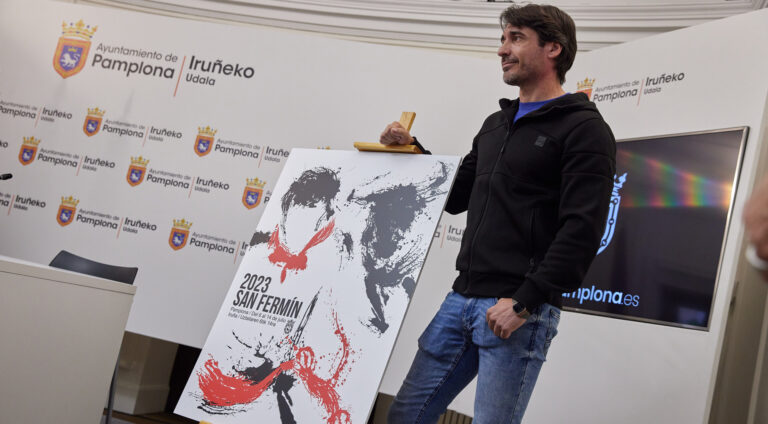
Instante, del estellés Raúl López , anunciará Sanfermin 2023
2023-04-04
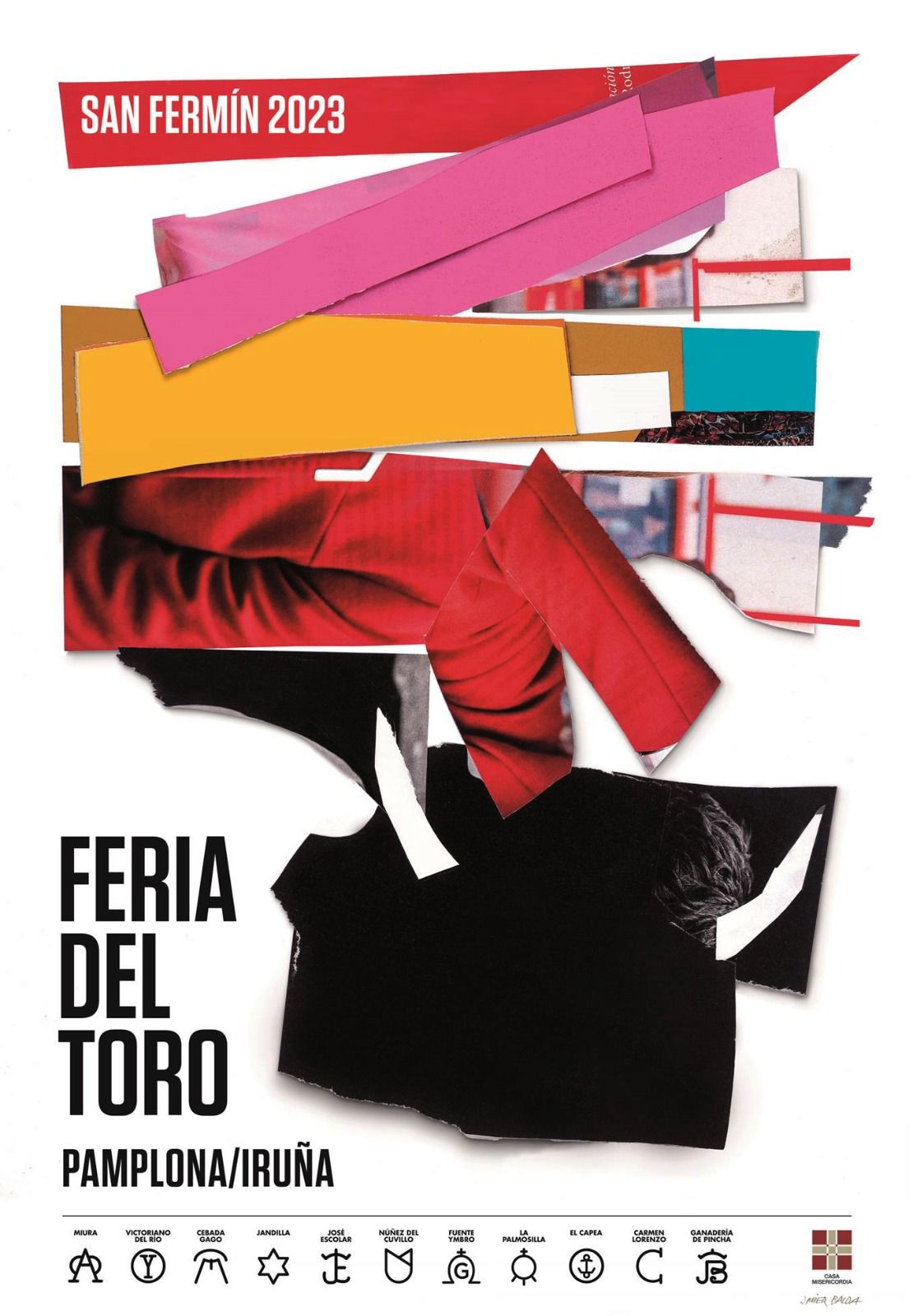
Javier Balda, autor del cartel de Feria del Toro de Sanfermin 2023
2023-02-07
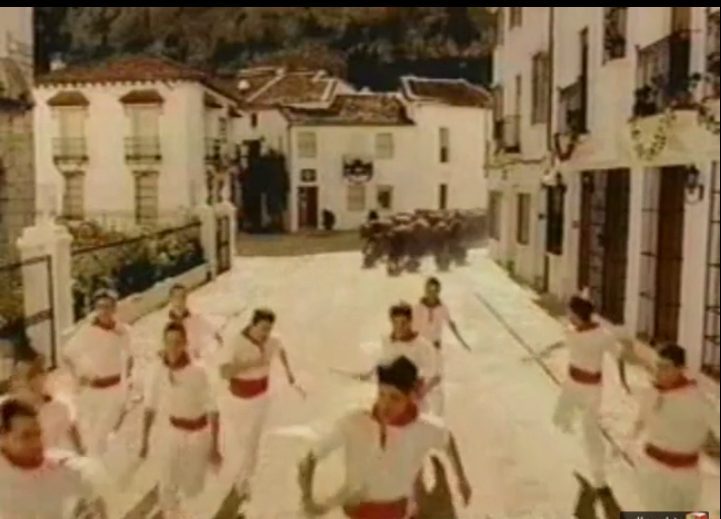
El encierro de Cadillac Escalade para la Superbowl de 2003